
Our history
From RSAmericas to the Latin American and Caribbean Regional Science Association
The history of the Latin American and Caribbean Regional Science Association (LARSA) is closely linked to the development of Regional Science in the Americas and to the strengthening of cooperation among researchers, associations, and institutions dedicated to the study of regional, economic, and urban dynamics.
The origins: from RSAmericas to LARSA
The origins of LARSA can be traced back to a hemispheric project promoted by the Regional Science Association International (RSAI). In the mid-2000s, Regional Science was well established in North America and was experiencing significant growth in Latin America. However, there was not yet a supranational association within the RSAI representing the American continent as a whole.
In this context, the RSAI promoted the creation of the Regional Science Association of the Americas (RSAmericas), conceived as a supranational organization bringing together the different RSAI sections existing throughout the Americas.
A hemispheric project: 2007–2008
The RSAmericas Constitution, dated October 8, 2007, established an organizational model based on cooperation among its member sections. The association did not establish its own membership fees and was governed by a Council composed of representatives of its sections. Each section retained its autonomy, while members were encouraged to participate in conferences organized by the other associations.
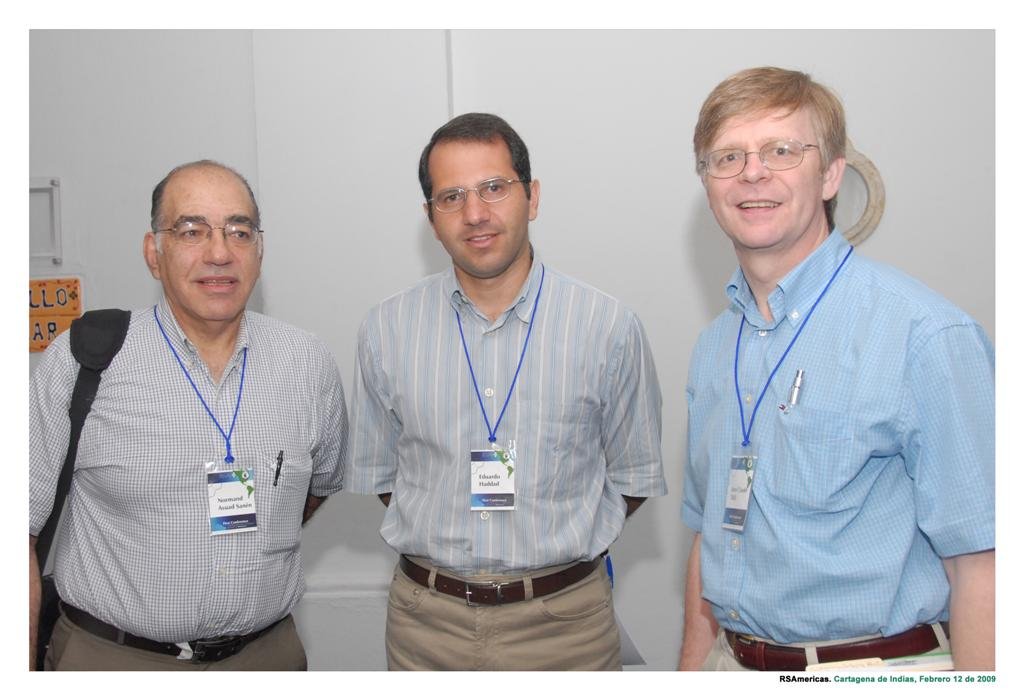
Eduardo Haddad of Brazil was the first president of RSAmericas, serving from 2008 to 2010.
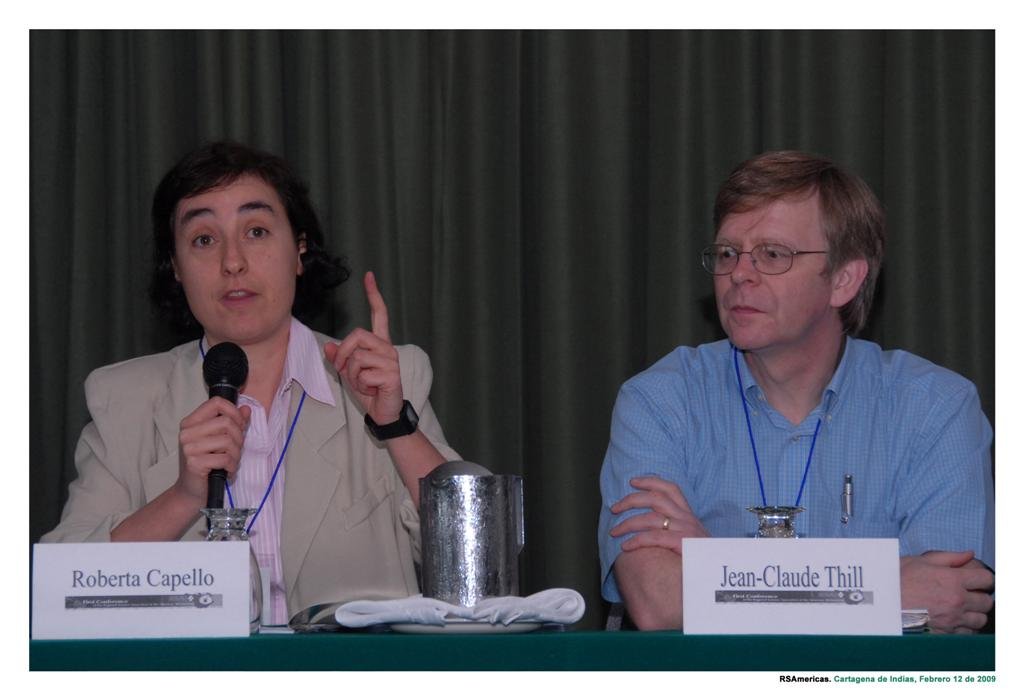
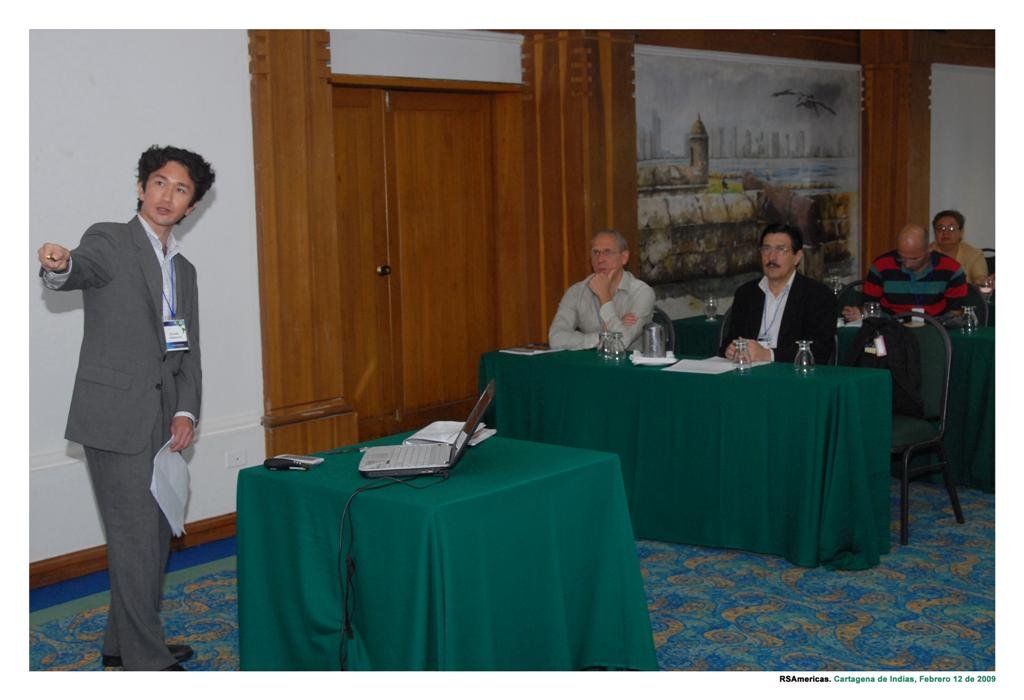
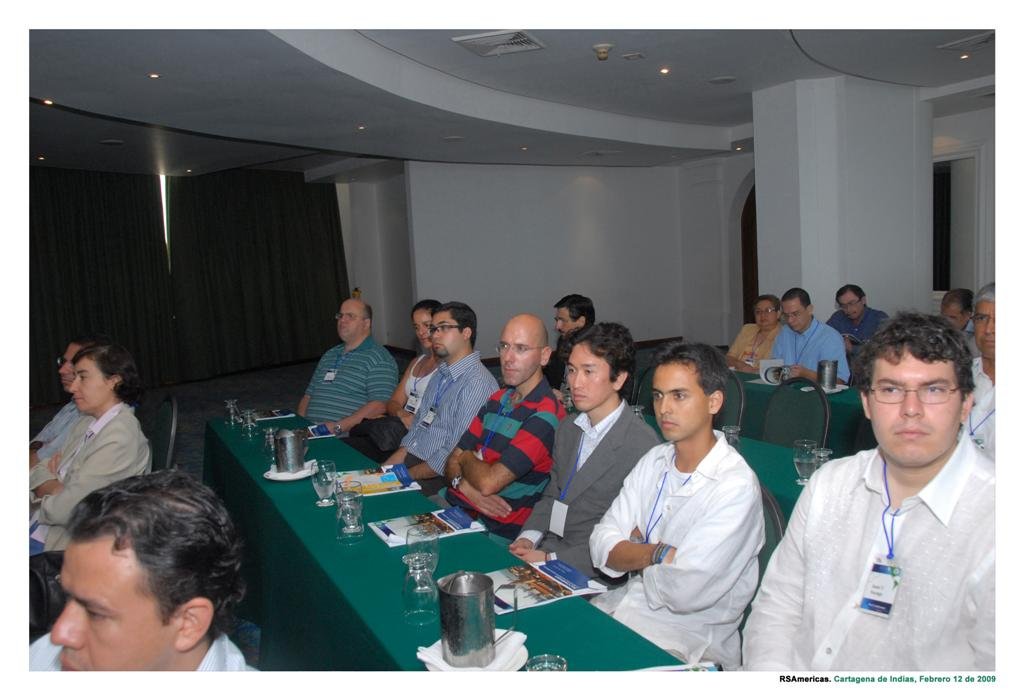
The first conference: Cartagena de Indias, 2009
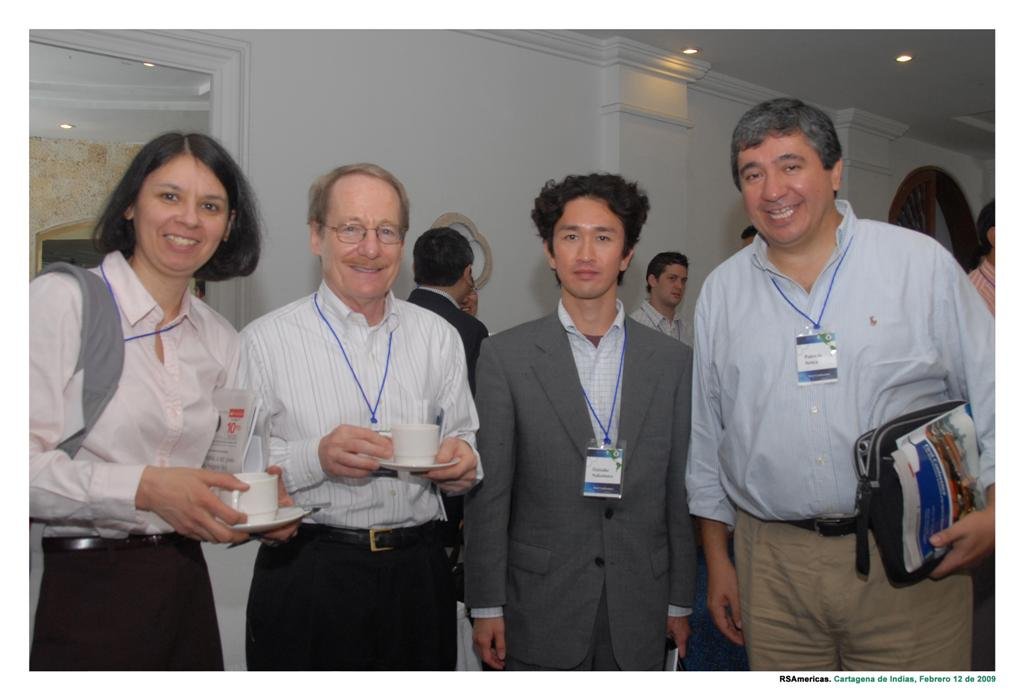
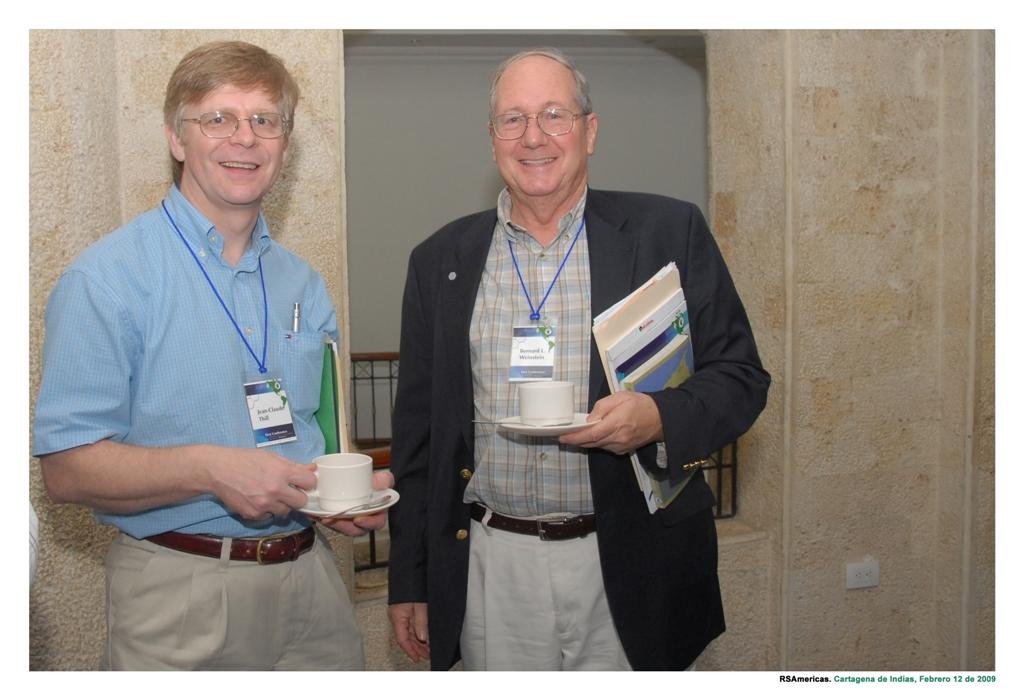
A fundamental moment in this history took place in Cartagena de Indias, Colombia, on February 12 and 13, 2009, when the first RSAmericas conference was held.
The meeting was organized by the Center for Regional Economic Studies (CEER) of the Banco de la República, together with the North American Regional Science Council (NARSC). The conference brought together more 100 participants from the Americas, Europe, and Asia, and featured keynote lectures by Geoffrey Hewings and Juan Cuadrado-Roura.
This first meeting represented an important step in building a Regional Science community with links among researchers and associations from different countries across the continent.
Subsequently, RSAmericas held other conferences: Miami, in November 2011, jointly with NARSC, and Arica, Chile, in September 2013, together with the annual meeting of the Chilean Regional Studies Society (SOCHER).
During this period, the association relied on the already established sections in Brazil, Chile, Colombia, and Mexico. Argentina joined in 2010, followed later by Ecuador. Between 2011 and 2015, Patricio Aroca of Chile served as president of RSAmericas.
At the same time, the Mexican association AMECIDER promoted a series of Ibero-American Regional Science meetings conducted in Spanish and Portuguese, helping to expand the participation of Latin American researchers.
Toward a Latin American and Caribbean association: 2015–2017
The experience accumulated during these years showed that maintaining a single association for the entire hemisphere presented significant challenges. Economic, cultural, linguistic, and institutional differences between North America and Latin America highlighted the need to strengthen an organization specifically representing Latin America and the Caribbean, with a distinct voice within the RSAI.
Under the presidency of Carlos Azzoni of Brazil, between 2015 and 2017, RSAmericas supported this transformation process.
In August 2016, during the RSAI World Congress held in Vienna, the RSAI Council unanimously approved the creation of the Latin American and Caribbean Regional Science Association (LARSA).
Its constitution was based on the organizational structure of RSAmericas and reflected the growing importance of Latin America and the Caribbean within the international Regional Science community.
Subsequently, in November 2016, during the NARSC Congress in Minneapolis, the RSAI amended its statutes to recognize LARSA as a supranational association with its own representation on the RSAI Council. In this way, NARSC resumed its role as the supranational association for North America, while LARSA assumed representation for Latin America and the Caribbean.
This process received the support and participation of the main national associations in the region, particularly those of Brazil and Mexico.
LARSA: 2018–present
Beginning in 2018, LARSA entered a new stage as one of the supranational associations of the Regional Science Association International (RSAI), together with ERSA, NARSC, and PRSCO.
Between 2018 and 2023, Serena Eréndira Serrano Oswald of Mexico, who had previously served as president of AMECIDER, led LARSA. During this period, the association maintained its activities and strengthened its academic links, including virtual activities during the COVID-19 pandemic.
Between 2023 and 2026, the presidency was held by André Chagas of Brazil, who took office with the aim of strengthening in-person activities and moving toward the recovery of a LARSA congress.
In 2026, during the RSAI World Congress held in Quito, Ecuador, Jaime Bonet of Colombia was elected president of LARSA.
His election has special significance in the history of the association, given his connection with the Banco de la República, the institution that participated in the organization of the first RSAmericas conference held in Cartagena in 2009.
LARSA today
Since its creation, LARSA has sought to strengthen cooperation among Regional Science researchers and associations in Latin America and the Caribbean, promoting academic exchange, research dissemination, and opportunities for specialists from the region to meet and collaborate.
As a supranational member of the Regional Science Association International (RSAI), LARSA is part of a global network dedicated to the development of Regional Science and contributes to connecting Latin American and Caribbean research with the international community.
Looking toward the future
Strengthening LARSA presents new challenges and opportunities for Regional Science in Latin America and the Caribbean. Among its main objectives are the consolidation of a regular congress, the strengthening and growth of national associations, greater coordination among them, and the creation of new opportunities for young researchers in the region.
Research capacity in Latin America and the Caribbean provides a fundamental foundation for the development of Regional Science. The challenge for the future is to continue strengthening the organization, cooperation, and spaces that allow this knowledge to contribute to the analysis and understanding of the economic, social, and territorial transformations of the region.
Mission and objectives
Mission
To promote the development of Regional Science through research, academic exchange, and cooperation among institutions and professionals in Latin America and the Caribbean.
Objectives
- Promote research in Regional Science.
- Foster cooperation among institutions.
- Support the organization of congresses and scientific activities.
- Strengthen the presence of Latin America and the Caribbean within the RSAI.